Daddy Shark: A Playful Script Font for Editors
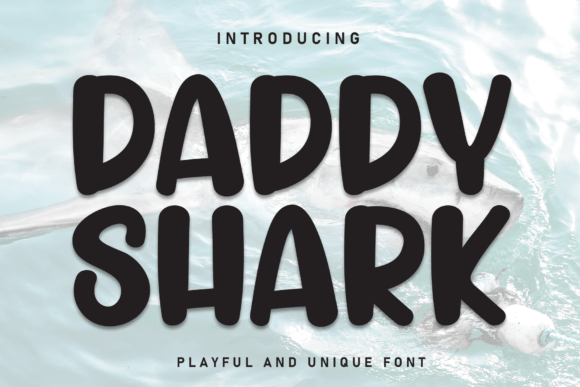
Daddy Shark is a sweet and friendly handwritten display font that brings an immediate sense of warmth and approachability to editorial layouts. As content creators, we often struggle to balance professionalism with personality, especially in niches like lifestyle blogging, wedding planning, or children’s education. This Script Handwritten typeface solves that problem by offering a cute and fun aesthetic that remains legible enough for headlines and short-form text. When selecting Fonts for your next digital publication or printable guide, choosing a typeface that resonates emotionally with your audience is just as critical as ensuring technical readability.
Enhancing Wedding Invitations and Event Branding with Daddy Shark
Daddy Shark excels in contexts where emotional connection is paramount, such as wedding invitations and event stationery. The fluid strokes and organic curves of this Script Handwritten style mimic the natural movement of a pen, creating a bespoke feel that rigid digital fonts often lack. For editorial designers working on wedding guides or bridal magazines, integrating this font into cover designs or chapter headers can significantly elevate the perceived value of the content. It transforms standard text into a visual experience that feels personal and curated. When used in Fonts libraries for event-based projects, it serves as a primary display element that captures attention without overwhelming the layout. The key is to use it sparingly for titles and names, allowing the whitespace to enhance its playful yet elegant character.
Elevating Blog Headers and Newsletter Graphics for Reader Engagement
In the fast-paced world of digital publishing, Daddy Shark offers a distinct advantage for blog headers and newsletter graphics that need to stand out in crowded inboxes. As a publisher or blogger, you know that the first few seconds determine whether a reader stays or scrolls past. This Script Handwritten font provides a friendly hook that signals approachable, human-centric content. Whether you are designing a weekly lifestyle newsletter or a seasonal recipe guide, using this typeface for subject lines or section dividers adds a layer of charm that generic sans serifs cannot replicate. It works particularly well for brands that want to project a "best friend" vibe rather than a corporate authority. By incorporating these Fonts into your email templates, you create a consistent visual identity that readers begin to associate with comfort and joy, increasing open rates and engagement over time.
Optimizing Visual Hierarchy in Ebook Covers and Chapter Openers
For ebook creators and course designers, Daddy Shark serves as an excellent tool for establishing clear visual hierarchy on covers and within interior layouts. A strong cover design often relies on a contrast between a bold display font and a clean body typeface. This Script Handwritten option provides the necessary flair for titles, subtitles, or author names, drawing the eye immediately to the most important information. Inside the book, using it for chapter openers or pull quotes breaks up dense text blocks, giving readers visual resting points. This technique is crucial for maintaining interest in long-form content like coaching workbooks or DIY guides. When paired with a highly readable serif or sans serif font for the main body text, these Fonts ensure that the design remains functional while adding a unique stylistic signature that distinguishes your publication from competitors.
Designing Printable Planners and Lead Magnets with a Fun Touch
Printable planners, worksheets, and lead magnets benefit immensely from the inviting nature of Daddy Shark. Users who download these resources are often looking for tools that make organization feel less like a chore and more like a creative activity. The cute and fun aesthetic of this Script Handwritten typeface helps achieve that psychological shift. Use it for headers, motivational quotes, or section labels in your printable designs to inject energy into the user experience. Because it is a display font, it is best reserved for larger point sizes where its intricate details can be appreciated. When exporting these materials for print, ensure you check the rendering quality to maintain crisp edges. Integrating these Fonts into your digital product suite not only enhances usability but also increases the perceived value, encouraging users to share your resources on social media platforms.
Strategic Font Pairing for Editorial Consistency and Readability
To maximize the impact of Daddy Shark, strategic font pairing is essential for maintaining editorial consistency and readability. Since this is a Script Handwritten display font, it should never be used for long paragraphs of body copy. Instead, pair it with a neutral, high-legibility sans serif font for captions, navigation menus, and main text. This contrast ensures that the playful personality of the script font shines without compromising the user’s ability to read comfortably on screens or in print. For example, in a magazine layout, use Daddy Shark for feature article titles and a clean geometric sans serif for the article body. This combination creates a modern typography stack that feels both professional and accessible. Understanding how these Fonts interact allows designers to build cohesive brand identities that are visually engaging across all touchpoints, from social media graphics to printed brochures.
Licensing Considerations for Commercial Publishing and Client Work
Before integrating Daddy Shark into client projects or commercial products, it is vital to review the licensing terms associated with these Fonts. As a professional publisher or designer, you must ensure that your usage rights cover the specific mediums you intend to use, such as paid newsletters, sold ebooks, or physical print runs. Many script fonts offer different license tiers for personal versus commercial use. Using this Script Handwritten typeface correctly protects your business from legal issues while allowing you to leverage its aesthetic benefits fully. Whether you are designing packaging, web elements, or logo concepts, confirming the scope of your license ensures that your creative work remains compliant and professional. Investing in properly licensed design assets is a cornerstone of sustainable editorial design practice.