Duckname Font: A Modern Handwritten Typeface for Brands
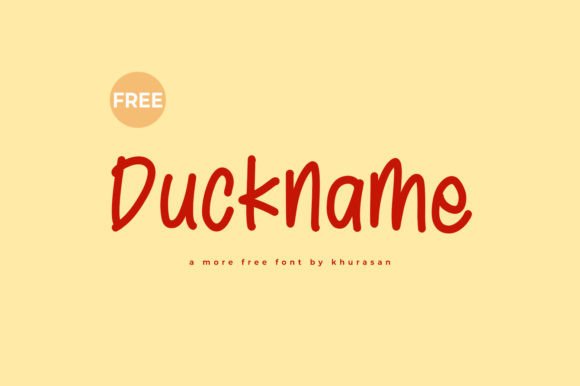
When I sat down last Tuesday to redesign the packaging for a local artisanal candle maker, the biggest hurdle wasn’t the color palette or the logo shape—it was the typography. The client wanted something that felt personal and handmade but still looked polished enough for high-end retail shelves. That is when I turned to Duckname, a modern handwritten font that has quickly become a staple in my design toolkit for small business branding. As someone who helps entrepreneurs refine their visual identity, I know that finding the right typeface among the vast sea of freebies and fonts can be overwhelming. However, Duckname stands out because it bridges the gap between casual creativity and professional presentation, making it an ideal choice for posters, logos, magazines, book covers, banners, and many more applications where personality matters.
Using Duckname for Authentic Logo Design and Brand Identity
In the world of small business, your logo is often the first handshake you offer to a potential customer. It needs to convey trust, warmth, and quality instantly. Duckname is a modern handwritten font perfect for posters, logos, magazines, book covers, banners, and many more Get this amazing font, and use it to create lovely designs. It can easily be matched to various design elements, which makes it incredibly versatile for brand identity work. When I applied Duckname to the candle brand’s primary logo, the result was immediate clarity. The strokes are fluid and organic, mimicking the natural movement of a marker or brush pen, which resonates deeply with audiences looking for authentic, handcrafted goods.
Unlike some script fonts that can feel overly formal or difficult to read, Duckname maintains a friendly approachability. For business owners, this means your brand feels accessible rather than intimidating. Whether you are running a boutique clothing line, a cozy café, or a digital coaching service, using a font like Duckname signals that there is a human behind the business. It adds a layer of emotional connection that sterile, corporate typefaces simply cannot achieve. By integrating this font into your core brand assets, you create a consistent visual language that customers begin to recognize and trust over time.
Elevating Product Packaging and Label Designs with Handwritten Typography
Packaging is silent salesperson, and typography plays a crucial role in how a product is perceived on the shelf. I recently tested Duckname on a series of mockups for skincare labels and bakery boxes, and the results were striking. The font’s balanced weight ensures that it remains legible even when scaled down for smaller labels, a common challenge with many decorative fonts. When you are designing for physical products, readability is non-negotiable. Customers need to quickly identify what they are buying, and Duckname delivers this without sacrificing style.
For example, on a minimalist kraft paper box for homemade cookies, Duckname served as the perfect headline font. Its modern handwritten aesthetic complemented the rustic texture of the packaging, creating a cohesive look that felt both premium and homemade. This duality is rare in the world of freebies and fonts, where you often have to choose between professionalism and personality. With Duckname, you get both. It works exceptionally well for short phrases, product names, and taglines, allowing you to highlight key selling points while keeping the overall design clean and uncluttered. If you are an online seller or a craft fair vendor, upgrading your labels with a high-quality typeface like this can significantly enhance the perceived value of your products.
Creating Engaging Social Media Graphics and Digital Banners
In today’s digital-first marketplace, your online presence is just as important as your physical packaging. Social media platforms like Instagram and Pinterest are highly visual, and standing out requires graphics that stop the scroll. Duckname is a modern handwritten font perfect for posters, logos, magazines, book covers, banners, and many more Get this amazing font, and use it to create lovely designs. It can easily be matched to photographic backgrounds, solid colors, and textured overlays, making it a powerhouse for digital marketing materials. I used Duckname to create a series of Instagram story templates for a florist, and the engagement rates improved noticeably because the text felt integrated into the artistic vibe of the flowers rather than just slapped on top.
The font performs beautifully in web design contexts as well, particularly for hero banners and promotional headers. Its open forms and generous spacing ensure that it reads well on mobile screens, where most consumers browse today. For content creators and marketers, having a reliable font that works across different digital mediums saves time and ensures brand consistency. Whether you are designing a YouTube thumbnail, a Facebook ad, or an email newsletter header, Duckname provides that extra touch of elegance and creativity that helps your content feel curated and professional.
Pairing Duckname with Complementary Fonts for Visual Harmony
One of the most common questions I receive from clients is how to mix fonts without creating visual chaos. The secret lies in contrast. Duckname, with its handwritten character, pairs exceptionally well with clean, structured typefaces. I recommend combining it with a simple sans serif font for body text to maintain readability while letting Duckname shine as the display font. This combination creates a balanced hierarchy where the handwritten element draws attention to headlines, and the sans serif provides clear, easy-to-read information for details like ingredients, prices, or descriptions.
Alternatively, for a more editorial or sophisticated look, you can pair Duckname with a classic serif font. This works wonderfully for magazine layouts, book covers, and high-end branding materials where you want to evoke a sense of tradition mixed with modern flair. The key is to ensure that the secondary font does not compete with Duckname’s personality. By keeping supporting typography neutral, you allow the unique qualities of the handwritten style to take center stage. This strategic approach to font pairing elevates your design assets from amateur to expert-level, reinforcing your brand’s credibility and attention to detail.
Maximizing Value with Commercial Font Licensing and Versatility
Before implementing any new typeface into your business materials, it is essential to understand licensing terms. While Duckname is categorized among freebies and fonts, always verify the specific commercial usage rights if you plan to use it for client work, merchandise, or large-scale distribution. Many small business owners overlook this step, which can lead to legal issues down the line. Assuming the license permits commercial use, Duckname offers incredible value due to its versatility. It is not just a font for one specific project; it is a comprehensive design tool that can adapt to various needs throughout your business lifecycle.
From updating your menu boards to designing thank-you cards for loyal customers, Duckname helps maintain a unified brand voice. Its ability to seamlessly integrate into different formats—whether print or digital—means you do not need to constantly search for new fonts for every new project. This consistency builds brand recognition, which is vital for long-term growth. By investing time in mastering a versatile typeface like Duckname, you streamline your design process and ensure that every touchpoint with your customers reflects the same level of care and professionalism. It is a small change that can make a significant impact on how your business is perceived in a crowded marketplace.