Mocha Dahlia: A Luxury Serif Typeface for Branding
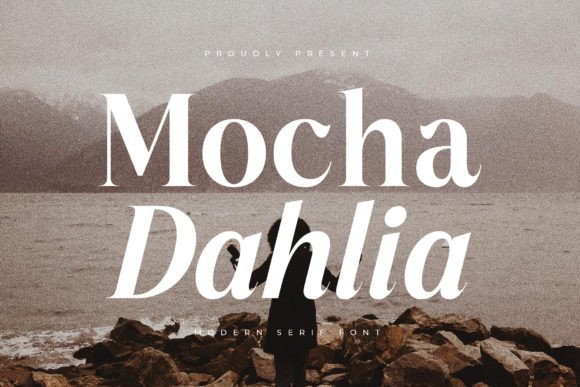
When I first opened my design software to start a new identity project, I knew I needed something that felt both grounded and elegant. Mocha Dahlia is a standout choice among modern Serif Fonts because it bridges the gap between classic sophistication and contemporary minimalism. As a designer, finding a typeface that doesn’t just sit on the page but actually speaks to the brand’s personality is rare. This font, crafted by Letterena, offers that distinct luxury feel right out of the gate, making it an ideal candidate for high-end visual identities.
Using Mocha Dahlia for Logo Design and Brand Identity
The primary challenge in any branding project is creating a logo that remains legible while conveying emotion. Mocha Dahlia excels here as a premium Serif Fonts option that holds its weight in large formats. In my recent work, I tested this typeface for a boutique concept where the client wanted to avoid the coldness of geometric sans-serifs but also didn’t want the ornate fussiness of traditional scripts. The clean lines and subtle contrast of Mocha Dahlia provided the perfect middle ground. It feels expensive without trying too hard.
When scaling the logo down for social media avatars or up for storefront signage, the letterforms maintain their integrity. The serifs are sharp enough to provide structure but soft enough to feel approachable. For designers working on logos and comprehensive branding projects, this versatility is crucial. You aren’t just picking a font; you are picking a voice. Mocha Dahlia speaks with confidence, making it a strong foundation for any brand identity system that aims to project reliability and style.
Elevating Product Packaging with Mocha Dahlia Typography
One of the most exciting aspects of using Mocha Dahlia is seeing how it translates to physical goods. Serif Fonts often shine in print, and this particular typeface is no exception. I recently mocked up a series of labels for a small-batch skincare line, and the results were immediate. The font’s luxury aesthetic lifted the perceived value of the product before the customer even touched it. Whether it is for product packaging, box inserts, or hang tags, the typography creates a tactile sense of quality.
The spacing and kerning options available allow for tight, cohesive layouts on smaller labels or airy, breathable designs on larger boxes. For businesses focusing on homeware designs or artisanal goods, the font adds a layer of narrative. It suggests that care went into every detail. When you pair this with minimalist graphic elements, the text becomes the hero. It is not just about readability; it is about creating an unboxing experience that feels curated and special. This makes Mocha Dahlia an essential tool for designers handling physical product launches.
Creating Impactful Posters and Quote Graphics
Beyond static branding, Mocha Dahlia proves its worth in dynamic marketing materials. Serif Fonts are increasingly popular in digital spaces because they break the monotony of screen-optimized sans-serifs. I used this typeface to design a series of inspirational quotes for a lifestyle brand’s Instagram feed. The result was highly engaging because the font commands attention without shouting. It draws the eye naturally to the message.
For posters and promotional flyers, the bold weights of Mocha Dahlia create a strong visual hierarchy. You can use it for headlines while pairing it with a lighter sans-serif for body text, ensuring the design remains balanced. This adaptability is key for marketers and content creators who need to produce consistent assets across multiple platforms. Whether it is a digital ad or a printed event poster, the font ensures the message is delivered with clarity and grace. It transforms simple text into a design element that enhances the overall composition.
Designing Custom Merchandise and Homeware with Mocha Dahlia
The versatility of Mocha Dahlia extends seamlessly into merchandise design. Serif Fonts have a timeless quality that works well on items meant to be kept and used daily. I experimented with placing the font on ceramic mugs and tote bags for a local shopp concept. The elegance of the typeface turned everyday objects into desirable lifestyle accessories. It is not just about slapping text on a product; it is about integrating typography into the object’s form.
For entrepreneurs selling handmade or curated items, using a luxury serif like Mocha Dahlia can differentiate their merchandise from generic competitors. The font looks equally good in white ink on dark clay or black ink on natural canvas. This flexibility allows for creative experimentation with color and texture. When customers see this level of typographic consideration, they associate the brand with higher quality standards. It is a subtle psychological cue that reinforces the brand’s positioning as a premium provider.
Practical Tips for Pairing Mocha Dahlia in Design Projects
While Mocha Dahlia is powerful on its own, knowing how to pair it with other Serif or sans-serif Fonts maximizes its potential. In my workflow, I often pair it with a clean, neutral sans-serif for body copy to let the serif shine in headlines and logos. This contrast creates a modern typography style that feels fresh yet established. Avoid pairing it with another decorative serif, as this can clutter the visual field and reduce readability.
Before finalizing any client work, always test the font in various contexts. Check how it looks in small sizes on business cards and large sizes on banners. Ensure that the licensing covers all intended uses, especially for commercial branding projects and merchandise. Mocha Dahlia from Letterena is designed to be robust, but proper testing ensures consistency across all touchpoints. By treating the font as a core component of the design system rather than an afterthought, you create a cohesive and professional brand presence that resonates with your audience.